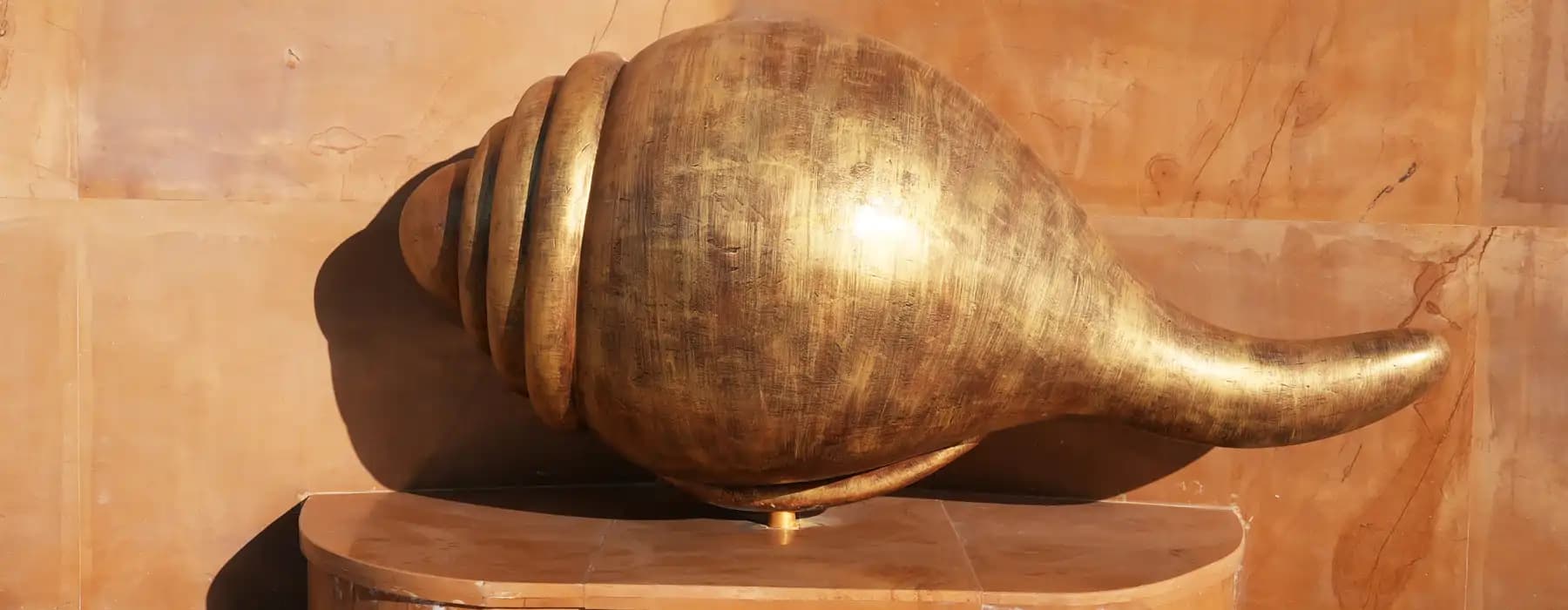
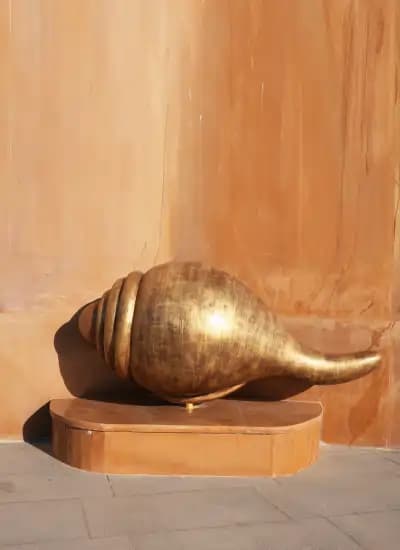
Symbol of Victory, Dharma, and Krishna's Power
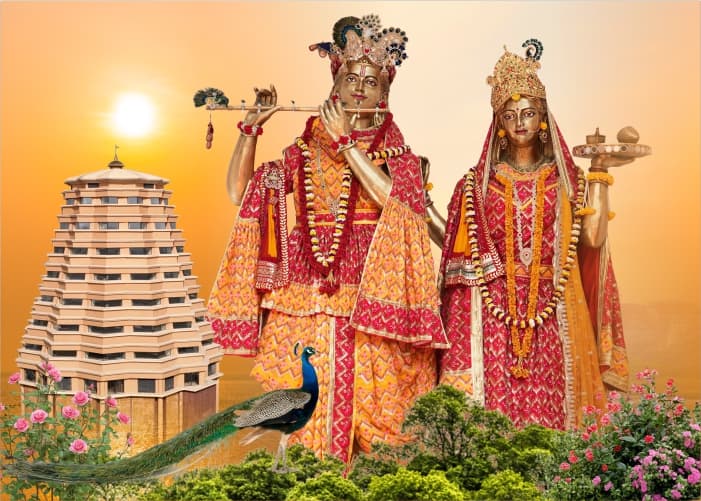
In Sanatan Dharma, the shankh (conch) is considered a symbol of purity, victory, peace, and prosperity. It is believed that wherever the sound of the shankh reaches, it infuses the environment with positive energy. The resonance of the shankh is seen as a symbol of auspiciousness and renewal, freeing us from negativity and fear while filling us with vibrant energy. Naturally, there are many types of conches, but religiously, Dakshinavarti, Madhyavarti, and Vamavarti shankhs are considered significant. Among these, Shri Krishna - Panchajanya Shankh is unique and extremely special.
In the Mahabharata, different warriors possessed different conches: Shri Krishna - Panchajanya, Arjuna - Devadatta, Yudhishthira - Anantavijaya, Bhishma - Paundra, Nakula - Sughosha, Sahadeva - Manipushpaka. Each conch had its own significance and power, but Panchajanya was regarded as the rarest and most divine among them.
According to legends, Panchajanya was born during Samudra Manthan (the churning of the ocean) and was the sixth of the fourteen divine treasures (Ratnas) obtained during the churning. It is said that when Shri Krishna went to rescue his guru's son, Punardatta, from a demon and attempted to enter Yamaloka, he was denied entry. Shri Krishna then blew his Panchajanya Shankh, and its resonance shook Yamaloka, compelling Yamaraj to return the guru's son to Krishna. Thus, the Panchajanya Shankh became a symbol of power, protection, and the beginning of a new era.
Following his guru's command, Shri Krishna blew the Panchajanya to mark the end of the old era and the dawn of a new one. Hence, Panchajanya is not just a conch but a proclamation of the victory of truth and dharma.
Power of Panchajanya's Sound
It is believed that the sound of Shri Krishna's Panchajanya Shankh could be heard for many kilometers. During the Mahabharata war, Krishna's blowing of the Panchajanya would infuse courage and enthusiasm among the Pandavas while instilling fear within the Kaurava army. Its resonance was considered even more powerful and terrifying than the roar of a lion. Some beliefs suggest that after the Mahabharata war, Shri Krishna placed his Panchajanya Shankh at the ashram of Rishi Parashar (near Karnal, at Kachhwa-Bahloipur), from where it was reportedly stolen. Others believe that the Shankh is still safely kept at Adi Badri.
Even today, keeping a Panchajanya Shankh in the home is believed to remove Vastu doshas, reduce the malefic effects of Rahu and Ketu, and spread positive energy throughout the space.
Inspiration from Panchajanya
- Face challenges with patience and courage
- Stay steadfast on the path of truth and dharma
- Remove negativity and bring positivity into life
- Take a vow for new beginnings and inner purification
The Panchajanya Shankh is not merely a sacred instrument of sound; it is a symbol of Shri Krishna's victory, courage, protection of dharma, and spiritual strength. Its sound fills us with confidence and a deeper awareness of truth. If you wish to experience the significance and divinity of the Panchajanya Shankh, embrace it in your life with meditation, faith, and conscious intention.