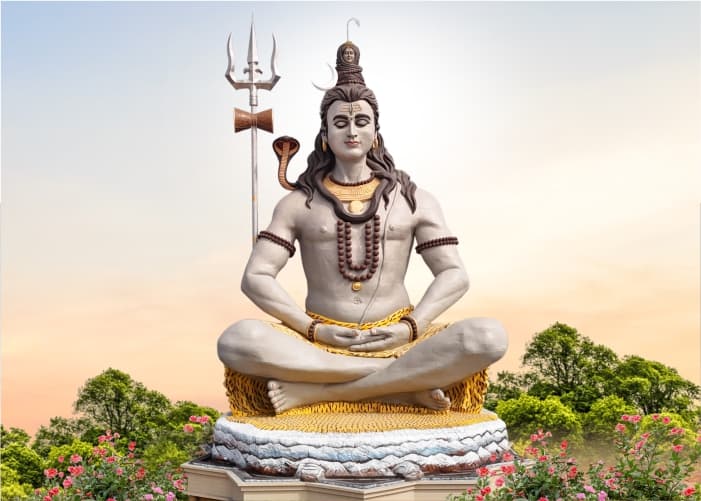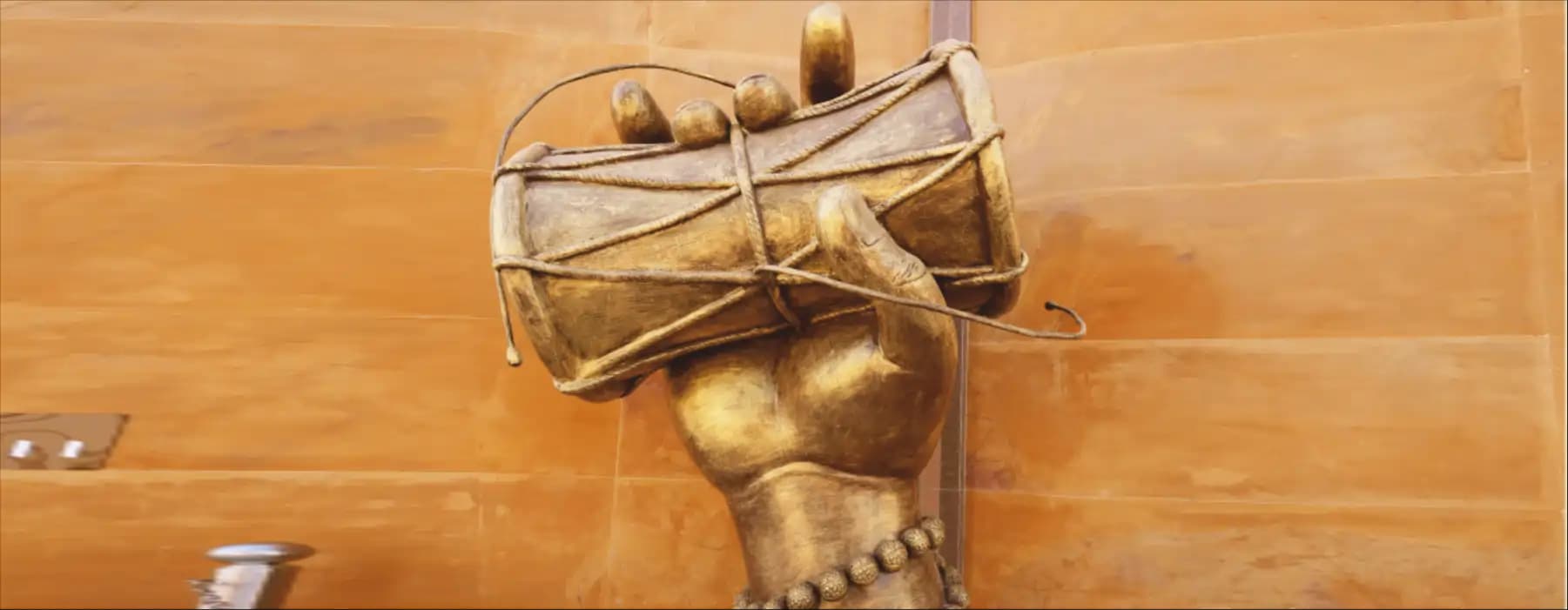
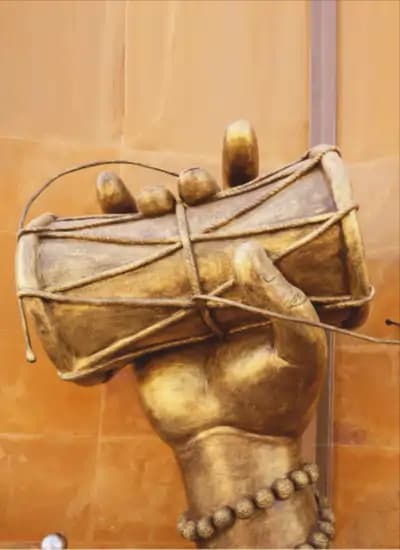
Lord Shiva’s Damru is a deeply significant religious and spiritual symbol in Hinduism. It is not just a musical instrument but also represents the rhythm of the universe, the cycle of creation and destruction, and the eternal cosmic vibration. The Damru forms an essential part of Lord Shiva’s form and energy, especially associated with his Tandava dance.
Importance of the Damru
Symbol of Creation and Destruction
The Damru is considered a symbol of the cycle of creation and destruction in the universe. When Lord Shiva plays the Damru, the sound produced signifies the emergence of a new creation while also indicating the end of what has served its purpose, reminding us that change is the law of nature.
Symbol of the Universe’s Rhythm
The sound of the Damru is seen as the heartbeat and rhythm of the cosmos, which is always in motion and transformation. It reminds us that life is a continuous flow, and we should move with its rhythm.
A Divine Instrument of Lord Shiva
The Damru is a divine instrument held in the hands of Lord Shiva and is closely associated with his Tandava dance, where Shiva performs the cosmic dance of creation and destruction, setting the universe into motion.
Aid to Spiritual Practice
The Damru is used in meditation and spiritual practices to enhance focus and concentration. Its rhythmic sound calms the mind, helping a practitioner go deeper into meditation.
Origin of Language and Music
According to mythology, Lord Shiva played the Damru fourteen times during the creation of the universe, from which fourteen Maheshwara Sutras emerged, forming the foundation of Sanskrit grammar and phonetics. The Damru’s sound thus signifies the origin of language and rhythm in the world.
Importance in Vastu Shastra
In Vastu Shastra, keeping a Damru in the home is believed to bring peace, prosperity, and positive energy while removing negative vibrations from the environment.
Origin of the Damru
According to ancient stories, when Lord Shiva decided to create the universe, he played his Damru fourteen times, producing sounds that became the basis of Sanskrit grammar and music’s rhythm. These sounds brought consciousness and energy into the universe, signifying the awakening of life and vibration within creation.
Religious Significance of the Damru
In Shiva Worship: For Shiva devotees, the Damru is an important object of worship that brings them closer to Lord Shiva, creating a spiritual atmosphere during prayers and rituals.
In Tantric Traditions: The Damru also holds significance in Tantric practices, where it is used along with powerful mantras and rituals to awaken spiritual energy within the practitioner.
Uses of the Damru
As a Musical Instrument: The Damru is used in devotional songs, bhajans, and religious celebrations dedicated to Lord Shiva. Its beats create a spiritual environment and enhance devotion in the hearts of the devotees.
In Spiritual Practice: The Damru’s sound aids in meditation and yoga, helping to improve focus and bring mental stability.
For Vastu and Energy Cleansing
Keeping a Damru in the home helps to remove Vastu doshas (architectural imbalances) and negative energies while enhancing positive energy flow, bringing harmony into the household.
Lord Shiva’s Damru is not merely a musical instrument but a living symbol of the cosmic rhythm, creation, and destruction. It teaches us that change is constant and essential for growth. The beats of the Damru inspire devotion, help in meditation, and bring peace to the mind. The Damru, crafted and placed in Shivdham temples, reminds devotees of Shiva’s cosmic presence and motivates them toward inner peace, spiritual discipline, and higher consciousness.
If we learn to bring the rhythm of Lord Shiva’s Damru into our lives, we can live a truly balanced, conscious, and peaceful life while staying connected to the divine energy
of the universe.