The Connection Between the Crow and Lord Shani
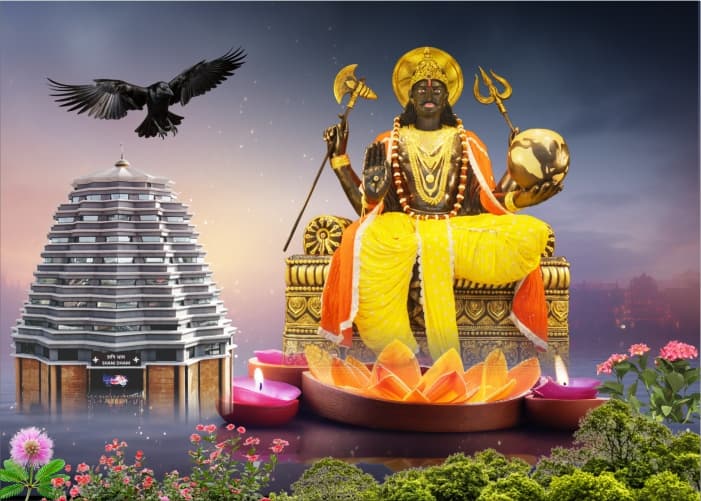
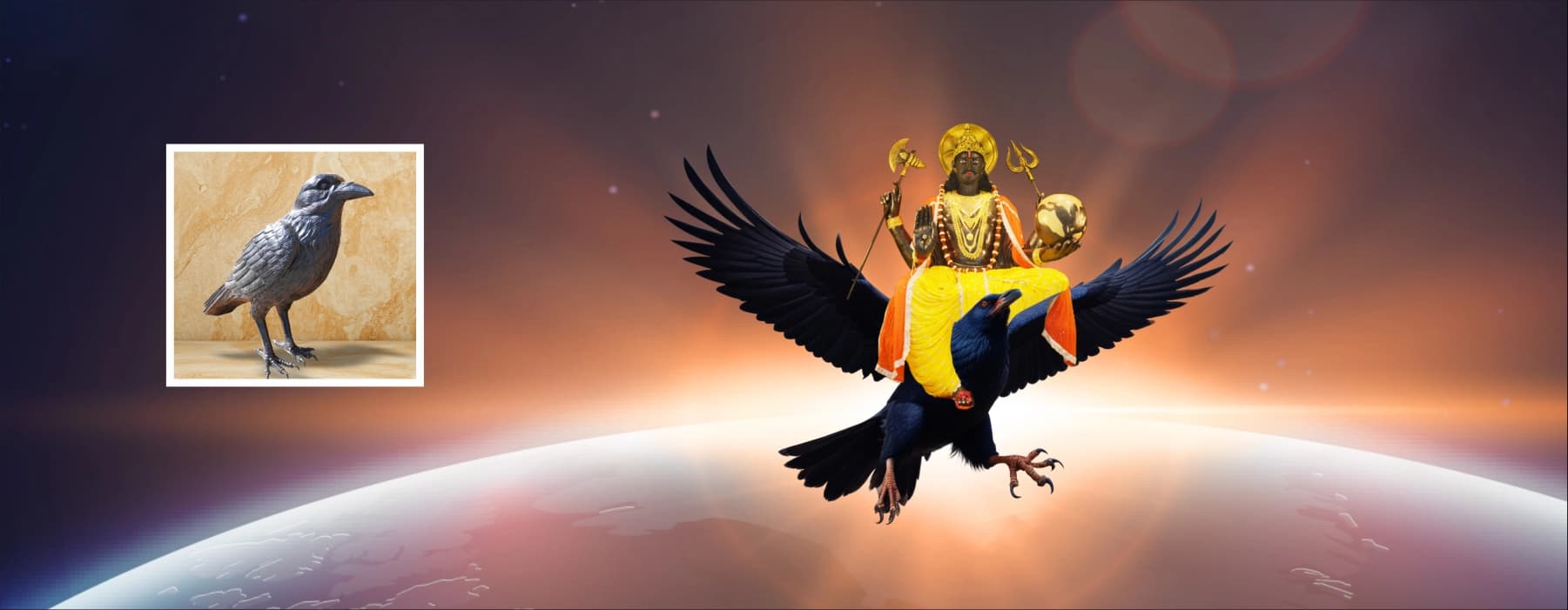
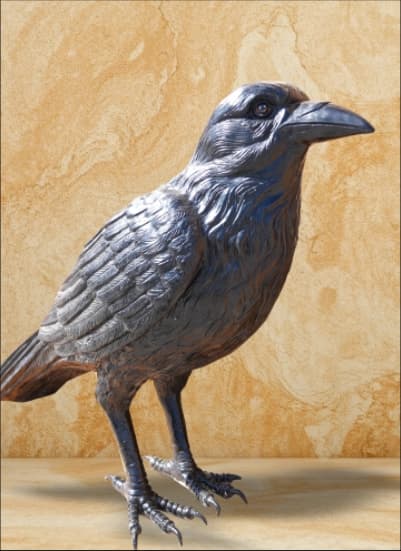
At the Shani Dham temple, near the outer wall, there stands a beautifully crafted and artistic representation of a crow. This is not merely a decorative sculpture, but a symbol rich in religious, mythological, and spiritual significance. In Shani Dham, the crow is not seen merely as a bird, but as a conscious symbol, reminding visitors that this temple is not just a place of worship, but a center for awakening karma and spiritual awareness. This sculpture conveys the message that those who act with honesty, justice, and humility are protected by Lord Shani — and the crow serves as a guide for their consciousness.
According to Hindu scriptures, the crow is considered the vahana (divine vehicle) of Lord Shani. Just as Garuda is the vehicle of Lord Vishnu and the lion is the vehicle of Goddess Durga, the crow represents Shani’s consciousness and his karmic vision. Known for its alertness, mystery, and sense of justice, the crow mirrors the very nature of Shani. As the deity of justice, Shani uses the crow as his voice and messenger.
How Did the Crow Become Lord Shani’s Vehicle?
As per mythology, Shani is the son of Chhaya (Shadow goddess) and Surya (Sun God). When Surya abandoned both Chhaya and Shani, they went to live in a forest. One day, out of anger, Surya set the forest ablaze. Chhaya, being a shadow, was unharmed, but young Shani was trapped in the fire. At that moment, a brave crow rescued Shani from the flames and protected him. Out of deep gratitude, Lord Shani made the crow his beloved companion. Later, the crow took Shani to its world — the Kakloka (realm of crows) — where the crow's mother nurtured him like her own child. Touched by this love, Shani agreed to always remain with the crow and made it his eternal vehicle.
This tale illustrates that genuine service, courage, and devotion can earn the divine’s favour, which is why the crow is not just a symbol, but Shani’s cherished companion.
Religious Traditions Associated with the Crow
The crow is also considered a representative of Pitru-loka (the realm of ancestors). During rituals like tarpan (offering to ancestors), feeding crows is believed to be highly auspicious. Since Lord Shani is deeply associated with ancestral karma and its consequences, the crow becomes a symbol of both ancestral blessings and karmic monitoring. Offering food to crows is a way to invite paternal grace and reduce Shani-related afflictions.
The crow is also believed to signal impending events, especially negative ones. In this way, it acts as a spiritual sentinel, cautioning people to remain alert and mindful. It warns against ego and wrongdoing. For those walking the path of Shani - the path of discipline, humility, and justice — the crow becomes a silent guide, showing the way forward.
Feeding crows on Saturdays is said to help reduce Shani dosha (malefic influence of Saturn) and receive blessings from ancestors. During Pitru Paksha, offering tarpan to crows can help in resolving ancestral karmic debts. Observing the direction and behavior of crows is also believed to offer signs of impending changes or disruptions.
The artistic crow sculpture installed at Shani Dham is not just a decorative piece; it is a manifestation of Lord Shani’s energy, consciousness, sense of justice, and ancestral grace. It silently teaches devotees:
“Keep performing your duties, stay alert, act justly — and Shani Dev, along with his divine messenger, will always protect you.”