

 Chaardham
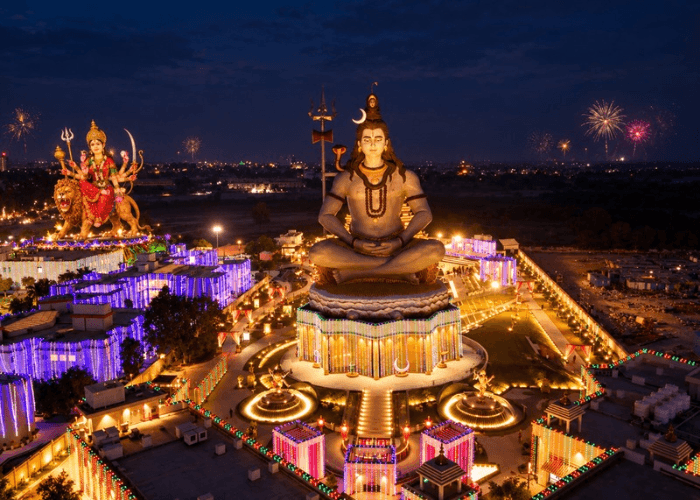
Diwali, also known as Deepavali, is one of the most important festivals in Hindu tradition. This festival is celebrated with lamps, prayers, & family gatherings; it represents the victory of good over evil and light over darkness. For devotees, the festival is also a time to reflect on faith, gratitude, and new beginnings.
Vrindavan, known for its strong association with Lord Krishna & its religious heritage, offers a meaningful destination for those looking to include spiritual experiences in their Diwali plans. A visit to the Chaar Dham Vrindavan can be part of this journey, giving visitors an opportunity to spend time in prayer and explore the religious traditions associated with Hindu worship.
Understanding the Spiritual Significance of Diwali
Diwali carries a message that goes beyond its lights and celebrations. The festival symbolises the triumph of righteousness over wrongdoing, knowledge over ignorance, and hope over despair. It encourages people to reflect on their actions and make choices guided by truth, kindness, and responsibility.
One of the best-known stories associated with Diwali comes from the Ramayana. According to the epic, Lord Rama returned to Ayodhya with Goddess Sita and Lakshmana after 14 years of exile & defeating Ravana. The people of Ayodhya welcomed them by lighting earthen lamps, celebrating the return of Lord Rama and the victory of righteousness.
This story explains the tradition of lighting diyas and reminds devotees of the importance of following dharma, or the path of righteousness. During Diwali, these values can be reflected in everyday actions, including helping others, maintaining family relationships, and approaching new beginnings with a positive outlook.
Diwali Traditions and Their Deeper Meaning
Diwali is celebrated through customs that carry spiritual and cultural significance. Understanding these traditions helps make the festival more meaningful.
Lighting diyas: Earthen lamps symbolise light, wisdom, and hope. Lighting them serves as a reminder to overcome negativity and bring clarity into everyday life.
Lakshmi and Ganesha Puja: Many Hindu families worship Goddess Lakshmi, associated with wealth and prosperity, and Lord Ganesha, associated with wisdom and auspicious beginnings. The prayers express gratitude and hopes for well-being in the year ahead.
Devotees come for Darshan: During Diwali, devotees visit the Chaar Dham Temple in Vrindavan to offer prayers, seek blessings, & celebrate the festival by connecting with their spiritual beliefs & traditions.
These customs remind people that Diwali is not only about celebrating outwardly but also about developing gratitude, generosity, & positive values.
Why Celebrate Diwali in Vrindavan?
Vrindavan holds a special place in Hindu tradition because of its association with Lord Krishna. The town is known for its temples, devotional practices, and religious significance among Krishna devotees. For visitors, a trip to Vrindavan during the festive season can combine time with family and opportunities to explore its spiritual heritage.
A visit to temples can add a devotional element to the trip. Visitors can take time for darshan, offer prayers, and learn about the religious traditions that shape the region. Rather than focusing only on festive activities, travellers can also use the occasion to reflect on the values of faith, kindness, and togetherness that Diwali represents.
Planning the visit in advance can help families make time for temple darshan alongside other travel arrangements. Checking temple timings and any special arrangements before travelling is also useful, particularly during a major festival.
Visit Chaar Dham Temple During Your Vrindavan Trip
For visitors exploring the spiritual side of Vrindavan, Chaar Dham Temple can be included in their travel plans. The temple has four devotional spaces dedicated to Shiv Dham, Radha Krishna Dham, Shani Dham & Maa Vaishno Devi Dham. Each represents a different aspect of Hindu worship and gives visitors an opportunity to learn about the deities and their religious significance.
During a Diwali trip, visitors can include time for darshan and prayer as part of their wider itinerary. Exploring the temple can complement the festival's message of faith and devotion while allowing families to spend meaningful time together.
Make Diwali More Meaningful Through Faith and Togetherness
Diwali provides an opportunity to celebrate with family while reflecting on the values behind the festival. For those visiting Vrindavan, combining festive plans with temple visits can create space for prayer, learning, and reflection.
Whether lighting diyas at home, offering prayers, or exploring the religious heritage of Vrindavan, the purpose remains connected to the same message: choosing goodness, practising gratitude, and welcoming new beginnings with hope.
Conclusion
Diwali celebrates the victory of light over darkness & encourages people to follow the path of truth and kindness. For those planning a festive visit to Vrindavan, exploring its spiritual heritage and including Chaar Dham Temple in the itinerary can add a devotional element to the experience. By understanding the meaning behind the festival, visitors can celebrate Diwali with greater awareness, gratitude, & faith.